DfS consultancy
We act for developers who delegate their DfS duties, coordinating the DfS review process with the design and construction teams for projects in Singapore, and Safety by Design under OSHCIM in Malaysia.
Design for Safety · Singapore and international
JOH Safety Consultancy helps developers, designers and contractors find and remove foreseeable risks while a project is still on the drawing board, so fewer people have to rely on a helmet to stay safe.
Our philosophy · The meaning of our logo
Every worker on site wears a safety helmet. It is basic and it is essential, but by the time a helmet does its job, something has already gone wrong.
Personal protective equipment (PPE) sits at the bottom of the hierarchy of controls. It protects only the person wearing it, and only if it is the right equipment and is used correctly. When every other control has failed, PPE is what is left.
About the helmet in our logo: the helmet stands for all PPE, including safety helmets, safety glasses and face shields, earmuffs and earplugs, respirators, gloves, safety shoes, full-body harnesses with double lanyards and shock absorbers, and self-retracting lifelines. We chose the helmet as the most familiar symbol of PPE, the last line of defence in the hierarchy of controls.
Design for Safety works from the top of the hierarchy: eliminating the design risk in the design plan itself. Under the WSH (Design for Safety) Regulations, the developer appoints competent designers, and the designer prepares a design plan for the structure that eliminates all foreseeable design risks, so far as is reasonably practicable. Where a design risk cannot reasonably be eliminated, the designer modifies the design plan to reduce it as low as is reasonably practicable, at its source, using collective protective measures in preference to individual ones such as PPE.
The rotating gear in our logo stands for innovative engineering and design solutions. Turning the wheel means questioning the design plan and innovating until the design risk is removed at source. Remove the design risk from the structure, and the people downstream no longer have to rely on PPE against it.
That is the thinking behind DfS. Decisions made at project inception, concept and detailed design protect the people who will build the structure, use it as a workplace, clean and maintain it, alter it, and one day demolish it. These are the affected persons, and few of them will ever have a say in the design.
Our consultancy work is to help every developer, designer and contractor (DDC) turn that wheel early: review the life-cycle risks met on past projects, and build the lessons into their SOPs and specifications. That way the safety helmet stays what it was meant to be: the last line of defence, not the first.
Stands for all PPE: worker safety at its most basic, and the last line of defence when other controls fall short.
Innovative engineering and design solutions. Turn the wheel to design out the design risk at source and protect the affected persons.
Hierarchy of controls, most effective first
Our DfS philosophy
Design for Safety does not begin with a search for new solutions elsewhere. It begins with the developer, designer and contractor (DDC) looking inwards at their own thinking. Which risks have come up on past projects, at every stage of the life cycle? Could they have been designed out at source?
The answers belong in each organisation's own standard operating procedures (SOPs) and in its general and particular specifications. Once a known risk is designed out in the specification, every new project starts from a safer baseline, and the DfS review can concentrate on what is genuinely new.
Where this has not happened, the DfS review process has produced a great deal of unnecessary paperwork. The same life-cycle risks are raised project after project and recorded again and again, yet never properly reviewed, mitigated and written into the DDC's SOPs and specifications.
DfS has been mandatory in Singapore for ten years. By now, every developer, designer and contractor should have comprehensive SOPs and specifications, both general and particular, that capture what past projects have taught them.
Vision
Mission
Services
Advice and hands-on support across the project life cycle, from the first design brief to post-construction review.
We act for developers who delegate their DfS duties, coordinating the DfS review process with the design and construction teams for projects in Singapore, and Safety by Design under OSHCIM in Malaysia.
Coaching for senior management and project managers on putting DfS into practice. Audits check documents, inspect the site and interview key personnel to verify implementation and compliance.
A site walk to identify residual design risks and recommend further controls, bringing those risks down to as low as reasonably practicable before handover.
In-house courses built around your projects and your people, from awareness sessions for management to hands-on DfS review workshops.
Regular weekly, fortnightly or monthly inspections, appointed by the developer or contractor.
Fact-based investigation through document review, site inspection and interviews, focused on root causes to prevent a repeat. Expert witness support where required.
Design with calculations, endorsement and certificate of supervision for temporary structural works, and structural assessment of existing structures before A&A works.
Training that helps every stakeholder spot risk at source and choose effective controls, pitched to their experience and role.
Training and consultancy for ISO 9001, ISO 14001 and ISO 45001, keeping the system practical rather than paper-heavy.
The DfS life-cycle approach
DfS considerations follow a building or structure through its whole life. The earlier a design risk is found, the more options there are to design it out.
Site location, orientation of structures, links to existing facilities and the client's own DfS requirements.
Site constraints, surroundings, traffic and the structure's architectural and structural design, including access and buildability.
Temporary works, specialist contractor design, site layout and the residual design risks handed to the builder.
Safe cleaning, repair, equipment replacement and A&A works across the life of the building.
Decommissioning and demolition, planned for from the start rather than left to the end.
The Workplace Safety and Health (Design for Safety) Regulations 2015 have applied since 1 August 2016 to projects involving construction work of $10 million or more. Developers, designers and contractors are required to work together to identify foreseeable design risks, eliminate or reduce them as far as reasonably practicable, and record them in a DfS register that stays with the building.
Upcoming training courses
Both courses are run by IES Academy. Registration and payment go through IES Academy; the flyer has the full schedule, fees and terms.
For managers, engineers and WSH officers who plan safe systems of work for lifting operations, select cranes or manage crane use on site. Jason covers the WSH legislation, the Code of Practice on Safe Lifting Operations, DfMA and PPVC, and crane-location risk assessment.
Formerly the Design for Safety for Professionals (DfSP) course. For professional engineers, architects, designers, project managers and surveyors preparing to act as DfS Professionals: facilitating the design review process, keeping the DfS records, and passing safety and health information between stakeholders.
Course dates, fees and trainers are set by IES Academy and may change. Please check with IES Academy before registering.
Training
Course content follows the WSH Guidelines on Design for Safety (2022) and the DfS tools introduced with them.
For anyone new to DfS on a building or construction project.
How DfS adds value to design decisions and long-term maintenance.
Managing residual design risks handed over to the construction team.
For clients, principal designers and principal contractors under OSHCIM (DOSH).
People
Engineers and safety professionals who have helped write the standards and train the people who apply them.
Track record
News and events
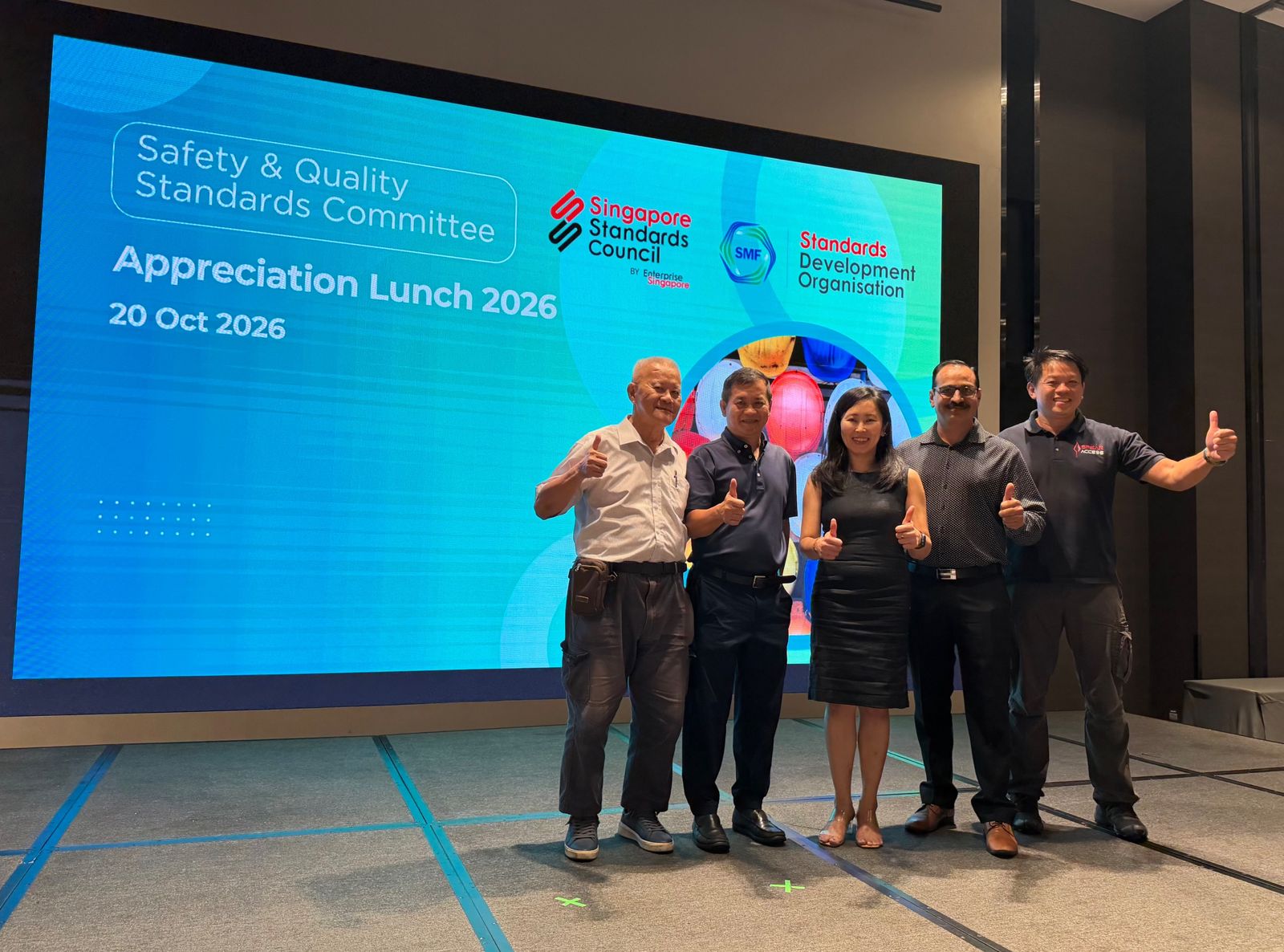
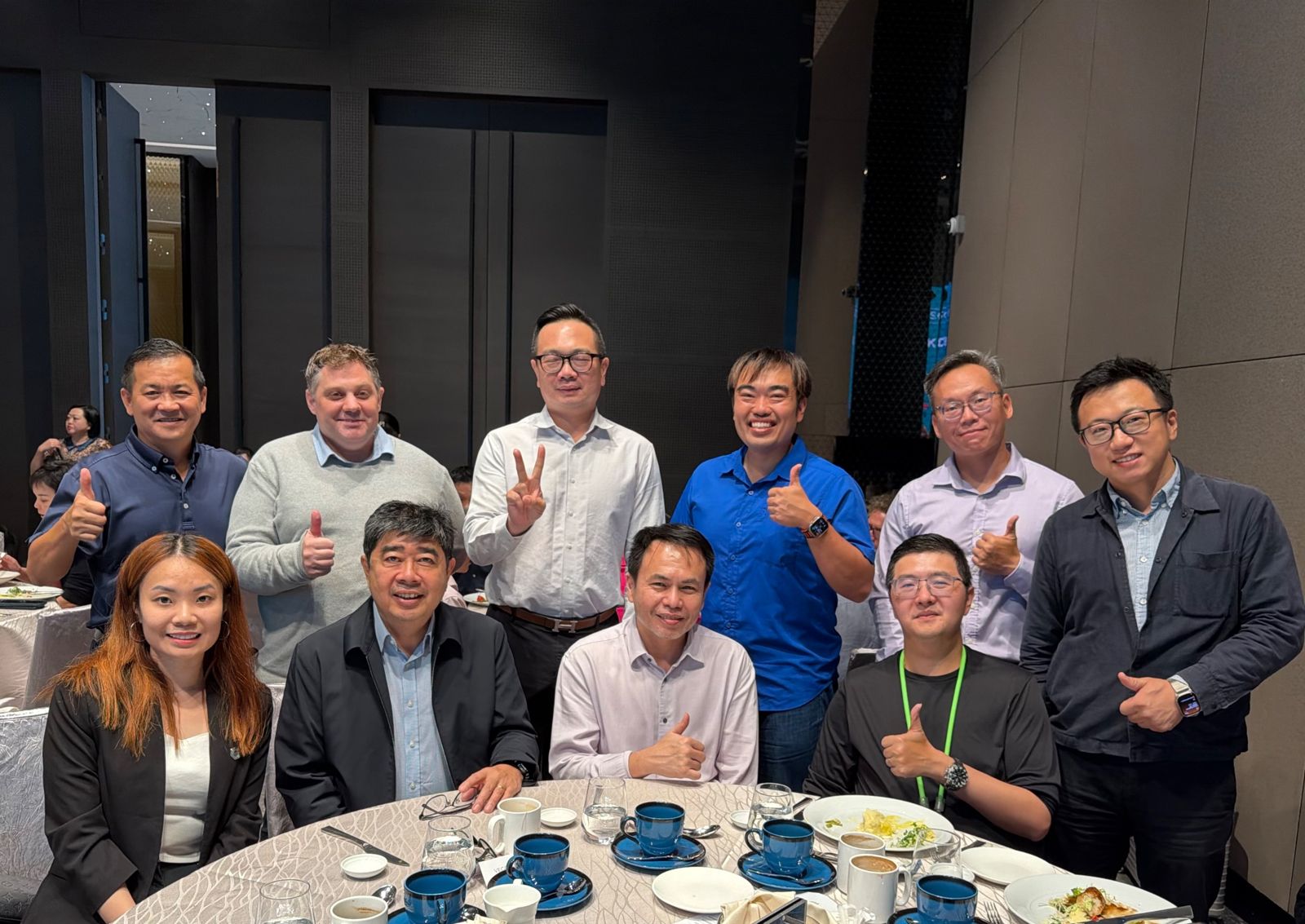
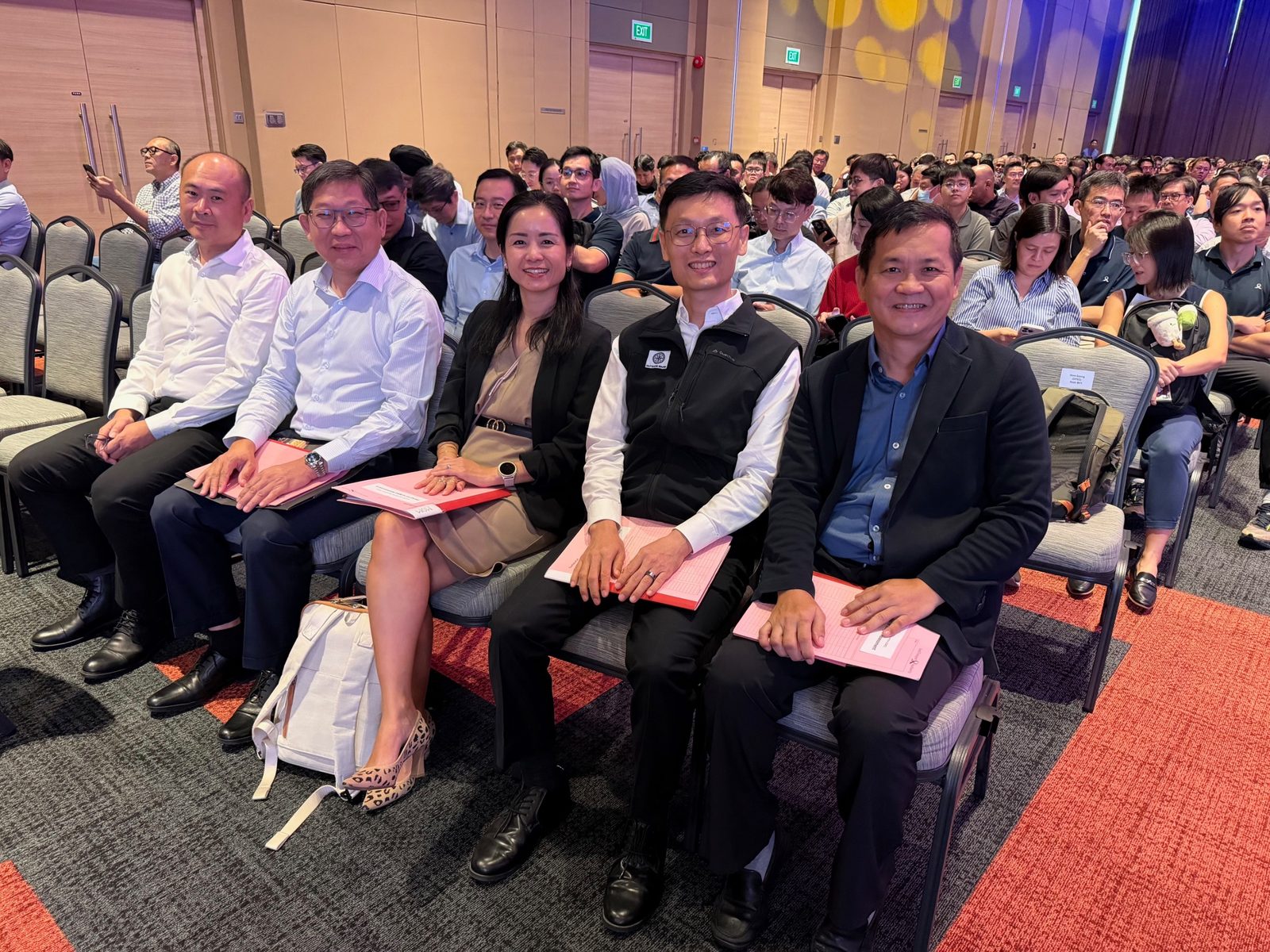
Jason Oh joined fellow standards partners at the appreciation lunch, which recognised the volunteers who help develop Singapore Standards. It was a good chance to catch up with fellow working-group members and committee colleagues who give their time to keep safety standards current for industry.
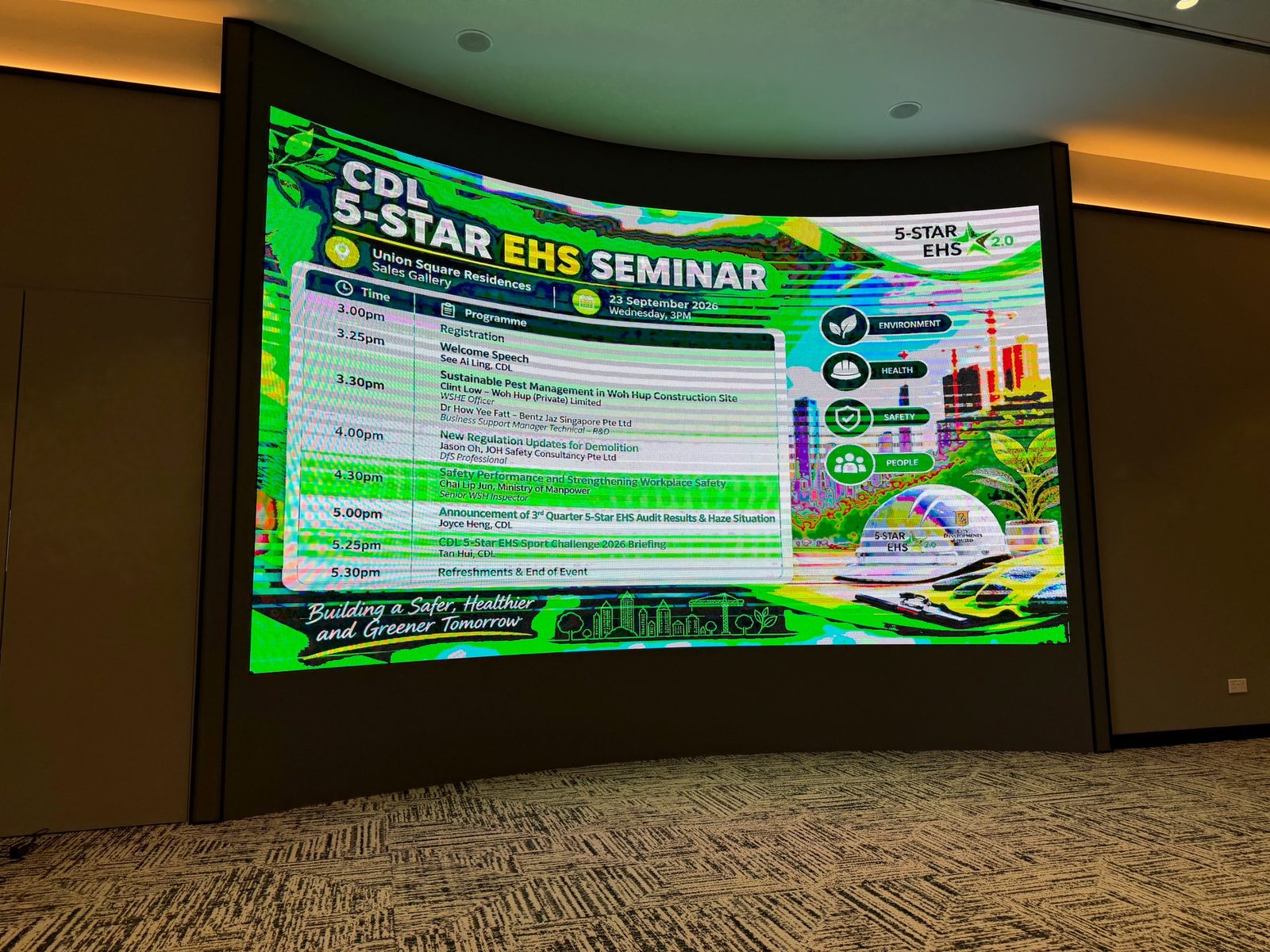
Jason spoke on New Regulation Updates for Demolition, covering the revised SS 557:2026 Code of Practice for Demolition. BCA announced its adoption on 2 June 2026. It replaces SS 557:2010 and reflects current demolition technologies and stronger structural safety requirements. The key changes covered:
For new project applications submitted to URA for planning permission on or after 1 December 2026, BCA expects demolition plans to comply with SS 557:2026.
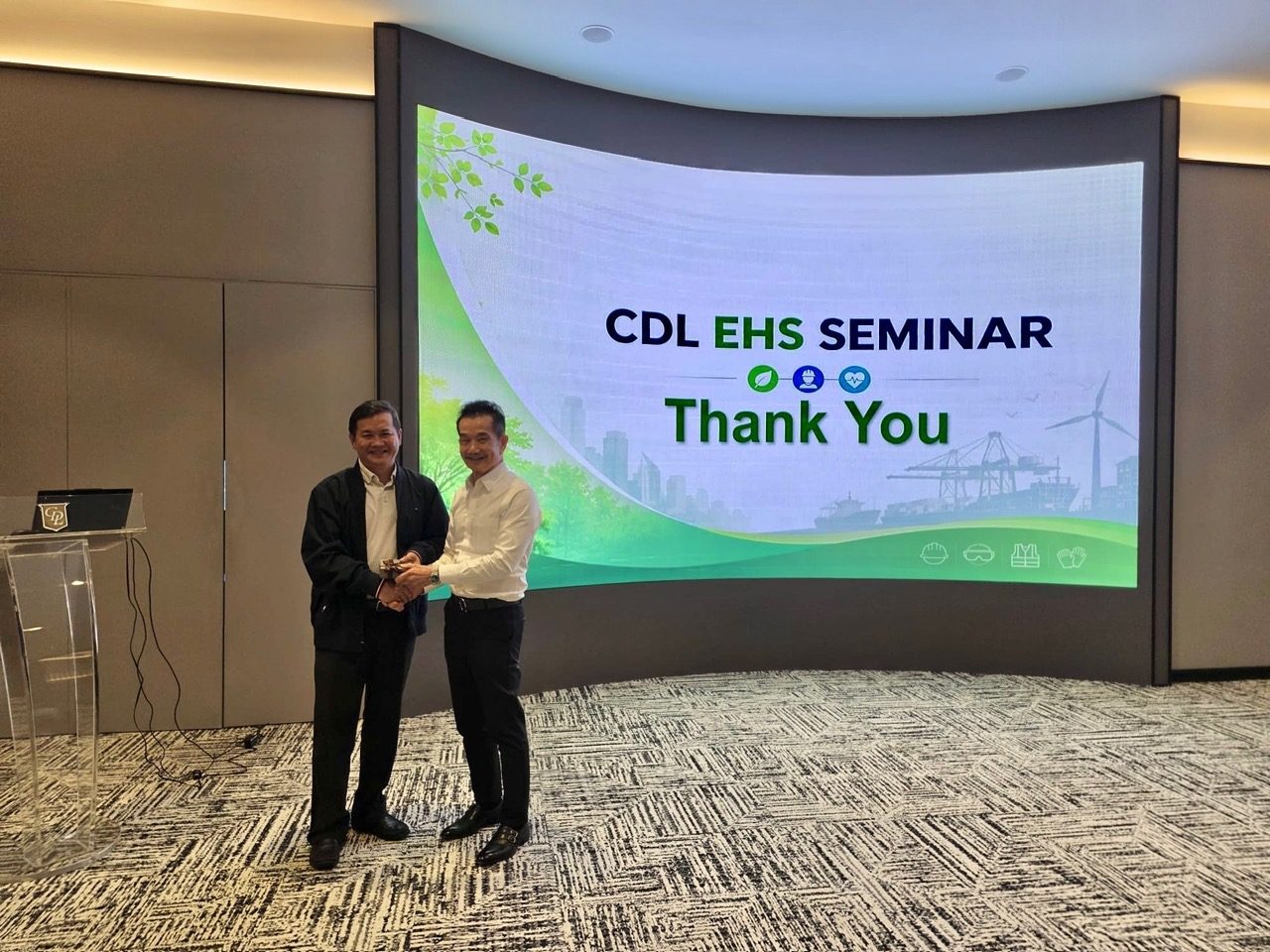
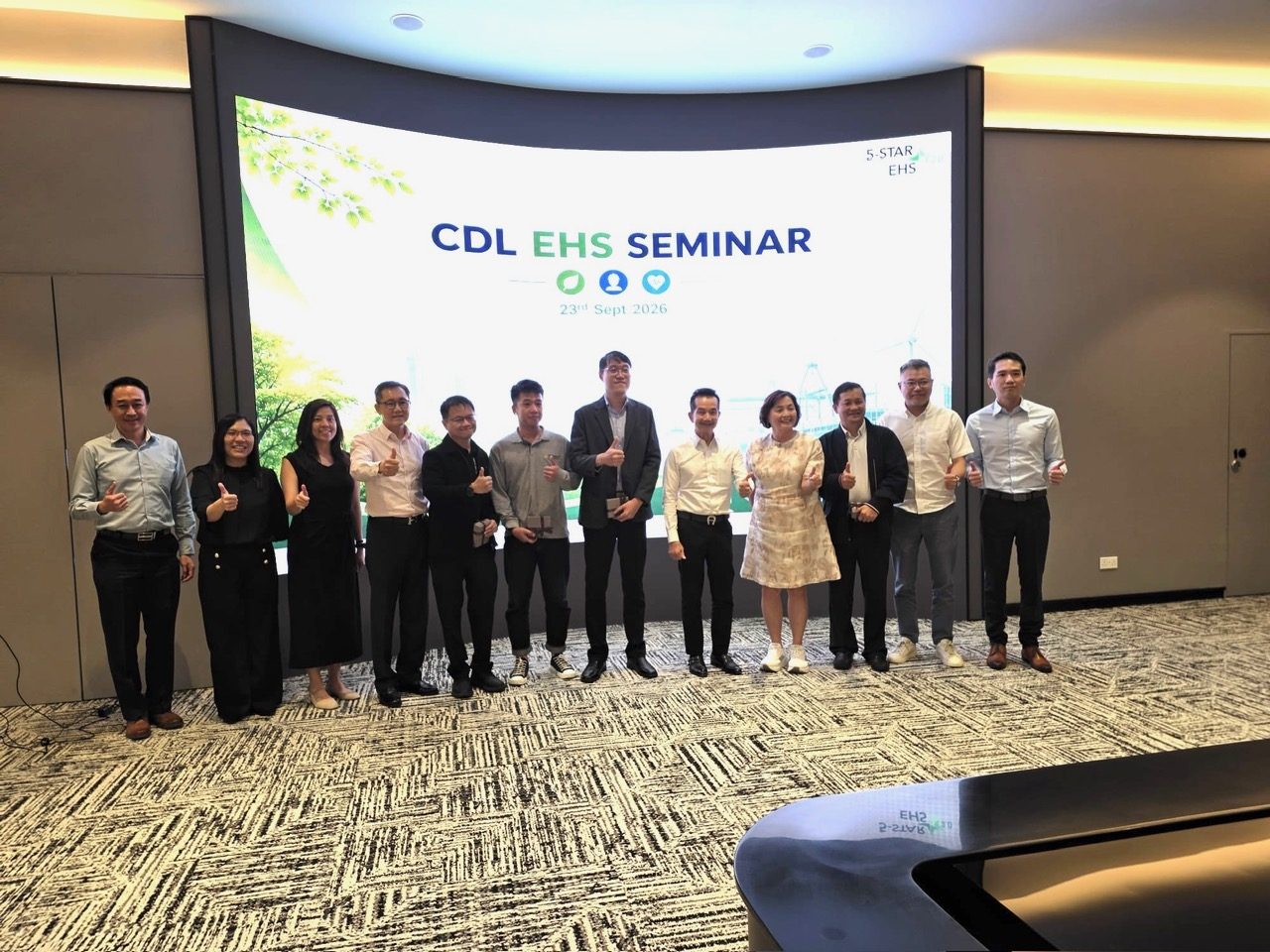
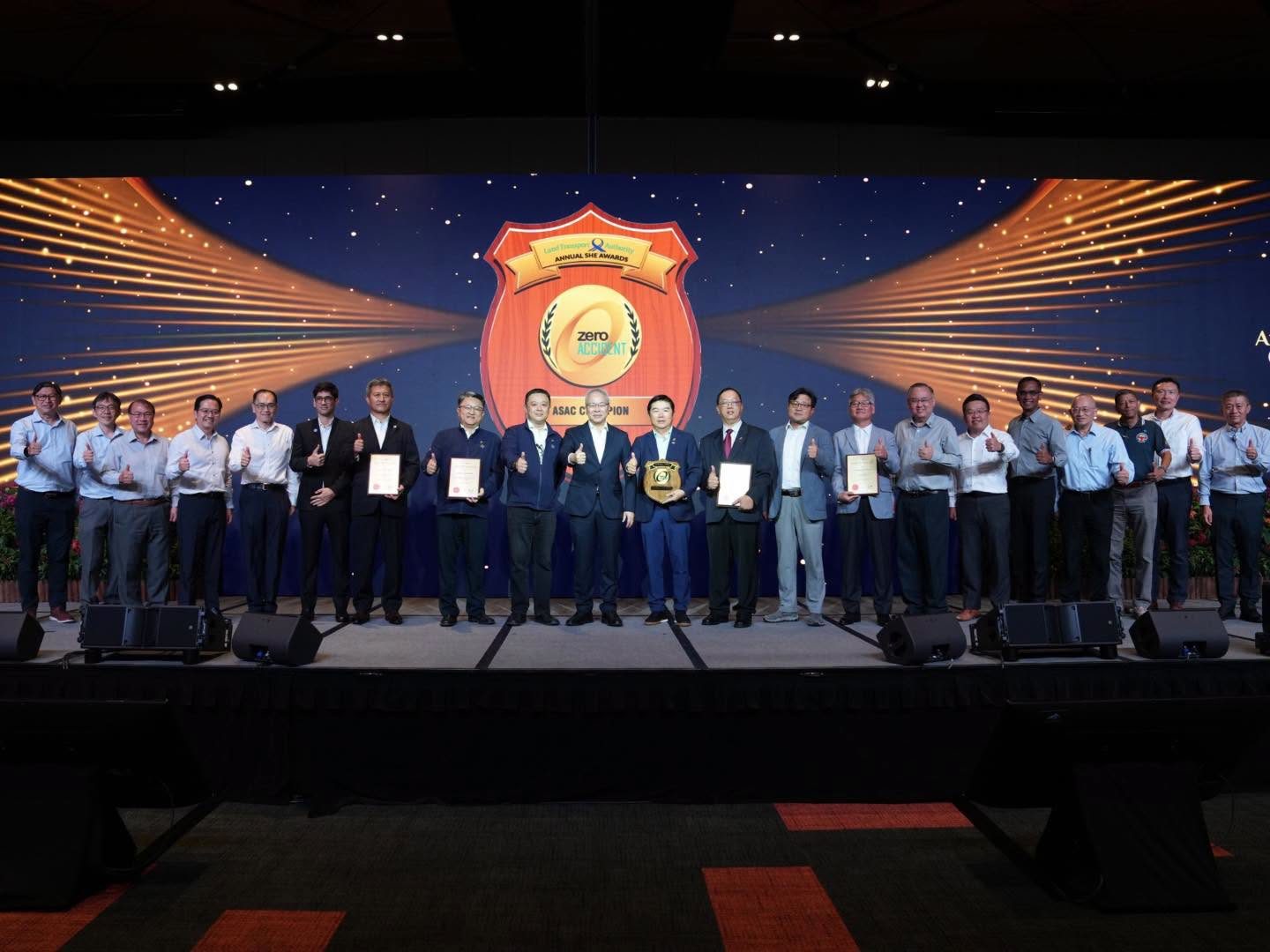
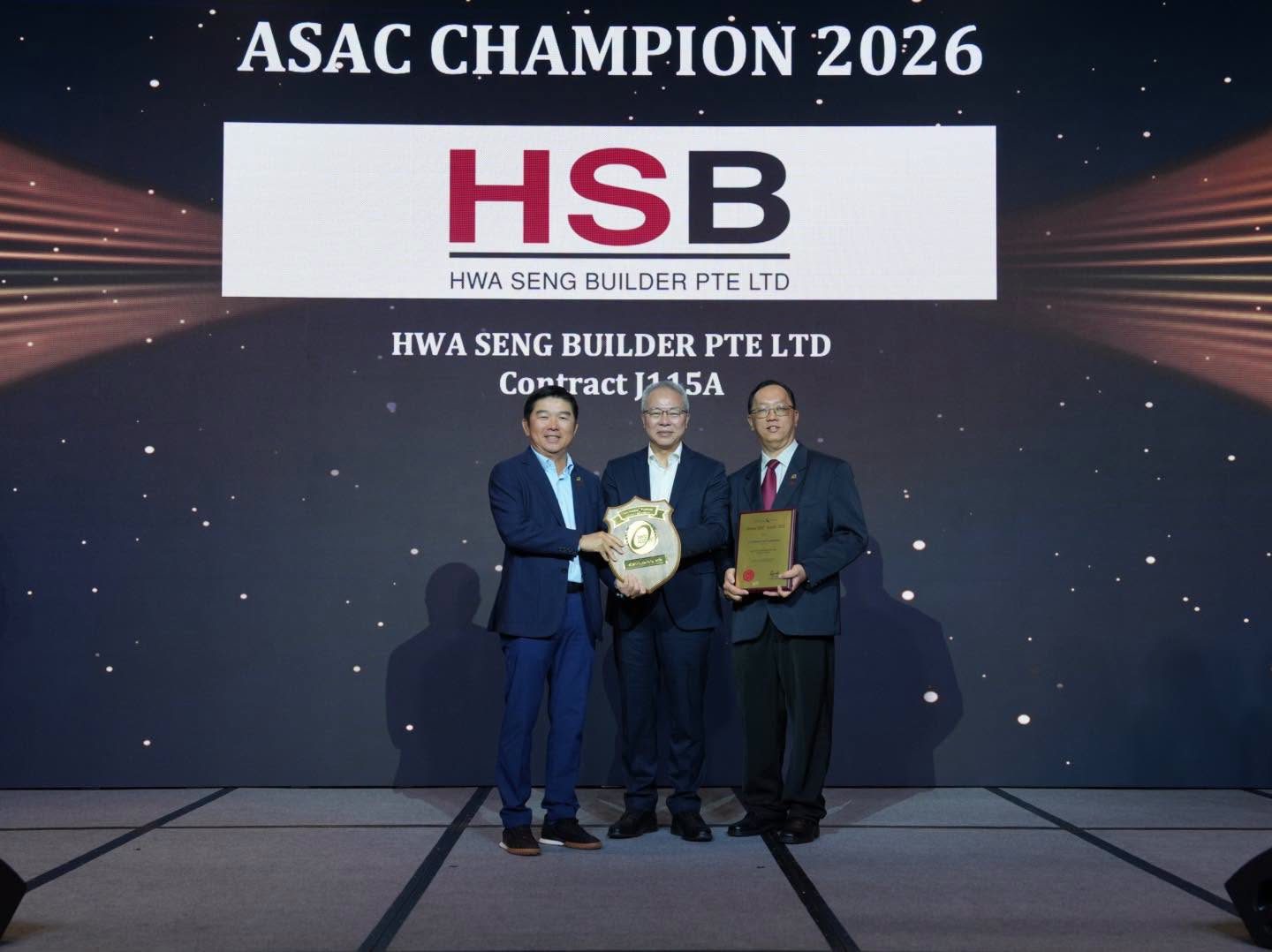
Congratulations to all the winners at the 28th ASAC: 90 awards went to 63 organisations for their commitment to safety, health and environmental excellence. The top award, the LTA Contractors Champion Shield, went to Hwa Seng Builder Pte Ltd for its work on the Jurong Region Line.
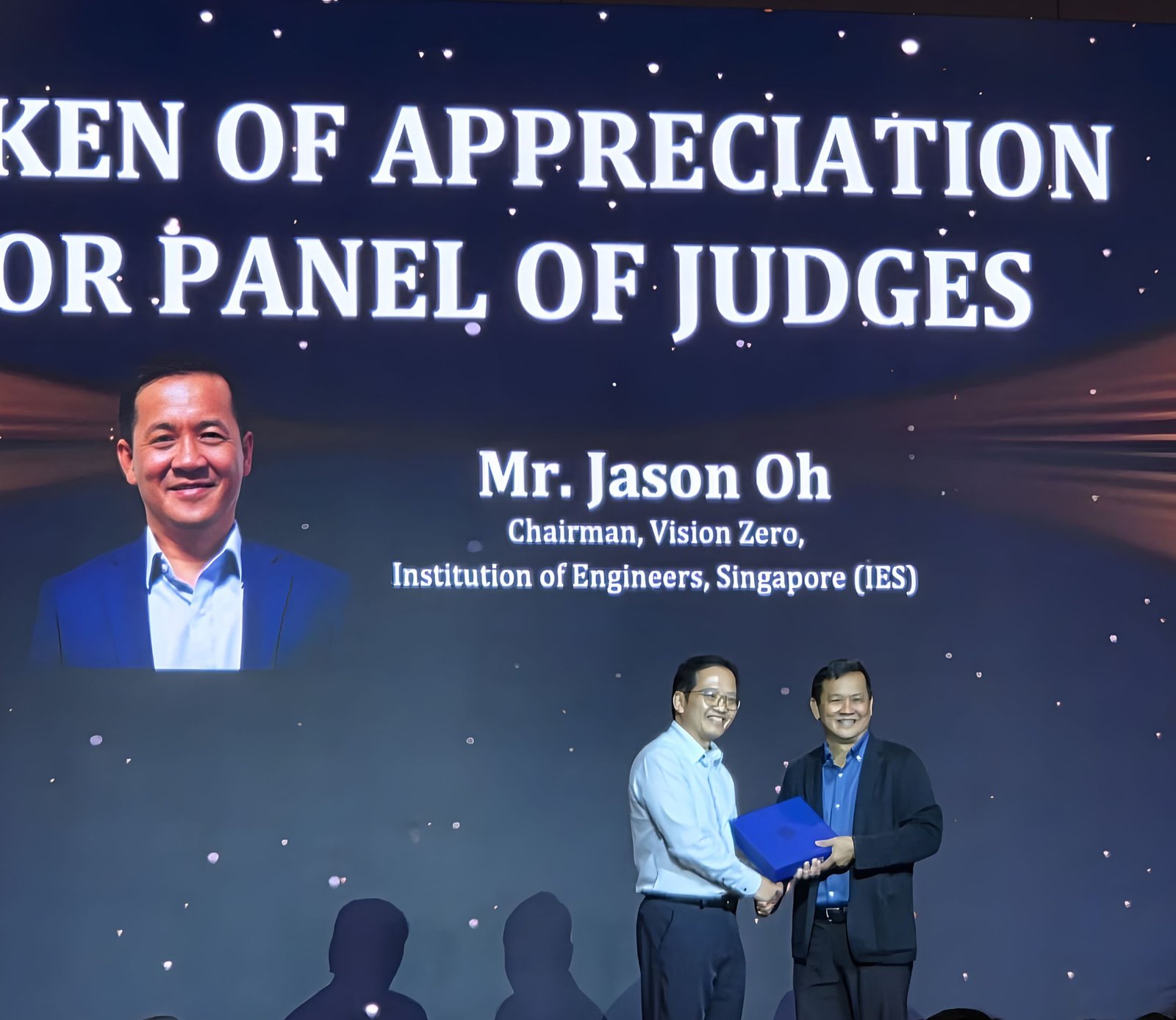
As an awards assessor representing IES, Jason saw how construction risks were eliminated by changing the design plan, reducing design risks so far as reasonably practicable while taking actual site challenges into account. LTA regularly reviews its SOPs and technical specifications with Design for Safety in mind, feeding lessons from past projects back into them. It is a good example of how a developer of large and complex infrastructure can achieve SHE excellence.
Contact
Fill in what you know and send it to us. Rough figures are fine; we will follow up to confirm the details.
“Send by email” opens your email app with the enquiry filled in, addressed to [email protected]. If nothing opens, use “Copy enquiry” and paste it into an email.